
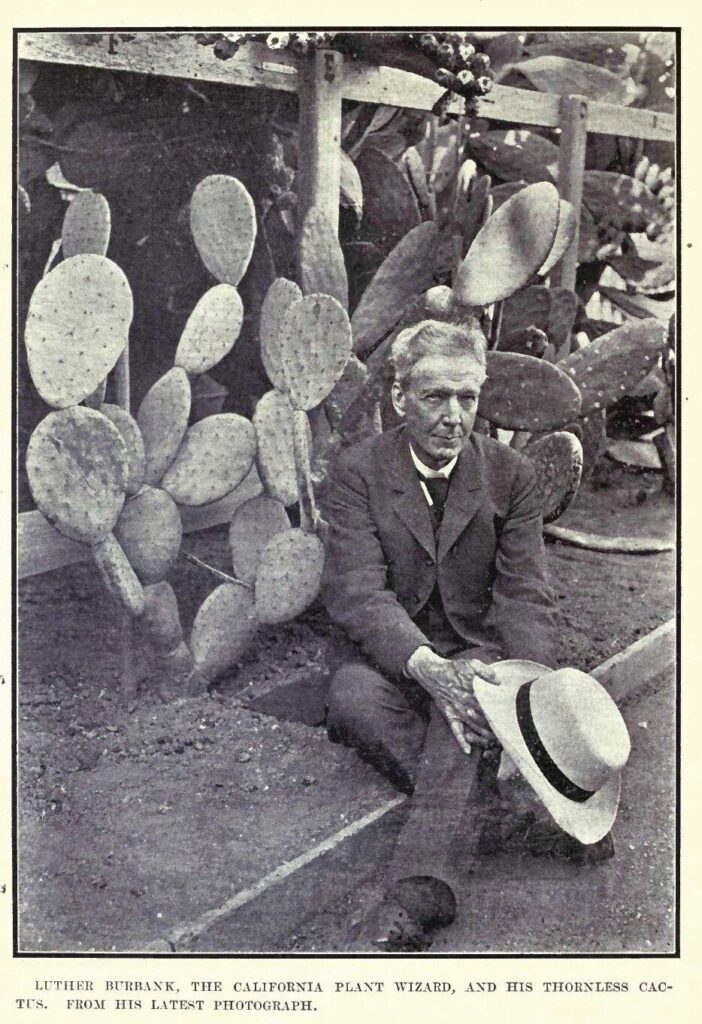
Nopal, more than a national icon, stands as a pillar of agricultural resilience in Mexico. Its ability to thrive in adverse conditions makes it a strategic crop, and its production has evolved towards increasingly conscious models. At the heart of this transformation, Jalisco and other Mexican regions are redefining nopal cultivation under principles of sustainability, securing its future and that of the communities depending on it.
Deep Roots: Nopal as a Pillar of Mexican Agroecology
The history of nopal in Mexico is intrinsically linked to its people. Traditionally, its cultivation has exemplified adaptation and efficiency. This ancient cactus requires minimal intervention and little water, characteristics that position it as an agroecological crop par excellence. In a context of climate change and water scarcity, nopal offers a robust solution for food security and soil conservation, preventing erosion and enriching local biodiversity.
Ancestral management practices, which respect natural cycles and the ecosystem’s regenerative capacity, are being revitalized and complemented with innovations. Mexico, through institutions like the Ministry of Agriculture and Rural Development (SADER), actively promotes production systems that minimize environmental impact. These approaches aim to optimize resource use, reduce reliance on external inputs, and foster soil health, fundamental pillars of truly sustainable agriculture. For more information on these initiatives, refer to SADER’s guidelines on sustainable agriculture.
Jalisco: Innovation and Commitment in Sustainable Production
Jalisco, an undisputed leader in nopal production, stands out not only for its volume but also for its commitment to sustainability. Jaliscan producers are adopting technologies and methodologies ranging from efficient water use, such as drip irrigation systems, to the implementation of organic farming and the drastic reduction of agrochemicals. This approach not only protects the environment but also ensures the quality and safety of the final product.
The adoption of these practices has a direct impact on the resilience of agricultural ecosystems and the prosperity of rural communities. By investing in cultivation methods that respect the environment, a fairer and more equitable value chain is fostered. Companies like Nopalindo are a clear example of this commitment, working hand-in-hand with producers who share a vision for a sustainable future. Nopalindo not only focuses on offering the highest quality nopal products but also integrates social responsibility into its business model, being an active donor to the Banco de Alimentos de México (BAMX) and food banks in the United States, thereby contributing to the food security of vulnerable populations.
Traceability and transparency are essential in this new era of production. Consumers seek products that are not only healthy but also come from ethical and sustainable sources. Nopal cultivated under these principles in Jalisco and other Mexican regions represents a conscious choice, supporting both the health of the planet and its inhabitants.
The journey towards fully sustainable nopal production is ongoing, but the advancements in Mexico are undeniable. By choosing nopal cultivated under these standards, we support agriculture that looks to the future, valuing tradition, innovation, and collective well-being. It is a testament to how an ancient crop can lead the way towards a greener and more equitable future.