
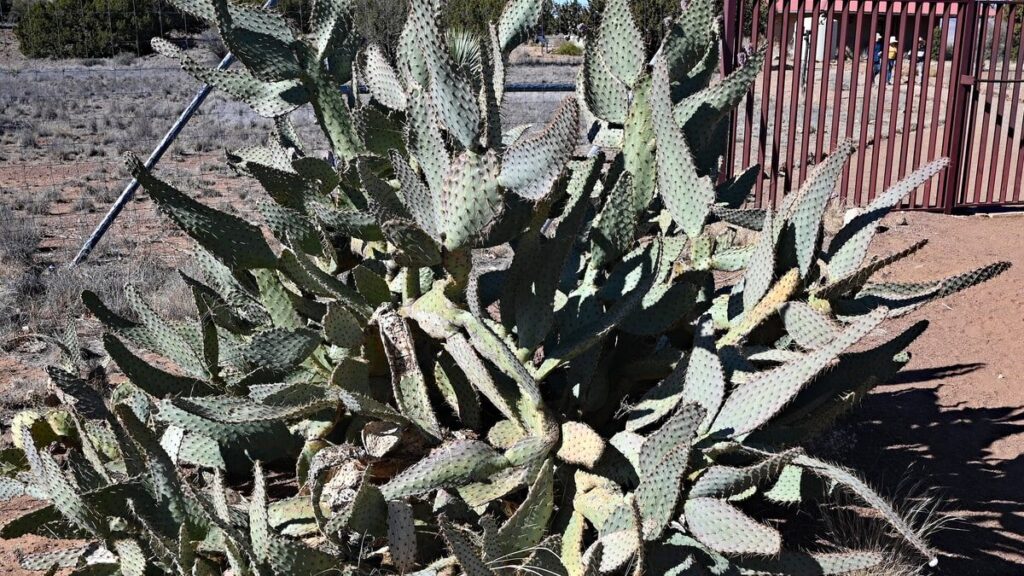
Nopal, beyond being a staple in Mexican cuisine and a globally recognized superfood, is a true architect of nature. Its ability to thrive in extreme conditions makes it a crucial player in the fight against desertification and soil degradation, offering vital ecological solutions for our planet.
This resilient cactus, with its fleshy cladodes and intricate root system, is much more than a plant; it is an ecosystem engineer. Its presence in arid and semi-arid landscapes is not only a sign of life but an active catalyst for environmental regeneration, transforming barren lands into flourishing habitats.
Nopal’s engineering for soil regeneration
Nopal’s survival strategy is a masterclass in adaptation. Its Crassulacean Acid Metabolism (CAM) allows it to open its stomata only at night, minimizing water loss during the day. This water efficiency is fundamental for its growth in areas where other plants succumb, enabling it to establish itself and begin the restoration process.
But its impact goes beyond mere survival. Nopal roots are natural anchors that stabilize the soil, preventing wind and water erosion, two primary drivers of desertification. By fixing the soil, these roots improve water infiltration, recharging underground aquifers and reducing surface runoff that carries away valuable nutrients.
Furthermore, the organic matter contributed by fallen and decomposing cladodes progressively enriches the substrate. This biomass turns into humus, improving soil structure, increasing its water retention capacity, and releasing essential nutrients. This virtuous cycle fosters microbial activity, creating a more diverse and healthy soil microbiome, indispensable for long-term fertility.
An oasis of biodiversity and climate resilience
The presence of nopal not only restores soil health but also acts as a magnet for biodiversity. Its dense formations offer shelter and food to a variety of species, from pollinating insects to small mammals and birds, creating microhabitats that are crucial in harsh environments. It is a fundamental link in the food chain of many desert ecosystems.
Beyond biodiversity, nopal plays a significant role in climate change mitigation. As a CAM plant, it is exceptionally efficient at capturing carbon dioxide from the atmosphere, storing it in its biomass. This makes it a valuable ally in the global carbon sequestration strategy, contributing to the reduction of greenhouse gases.
Nopalindo’s vision aligns with this regenerative potential. Beyond providing high-quality nopal, our mission extends to social impact, actively donating to the Banco de Alimentos de México (BAMX) and food banks in the United States to combat hunger and malnutrition. We recognize nopal as a pillar of food security and sustainability, and its ecological role reinforces our dedication to a greener, more equitable future.
Scientific research supports the importance of nopal in these processes. Studies have demonstrated its effectiveness in restoring degraded lands, underscoring its ecological value. An example of this knowledge can be found in scientific publications exploring the multiple benefits of Opuntia ficus-indica in arid and semi-arid regions, as detailed in articles available on PubMed.
In summary, nopal is much more than a crop; it is a symbol of resilience and an active agent of environmental change. Its ability to heal soils, foster life, and mitigate climate impact positions it as one of the most promising plants in the search for sustainable solutions to the ecological challenges of our time. Its green legacy is a promise of hope for the world’s arid lands.