The specter of prolonged drought haunts the rangelands of western Mexico, threatening the survival of cattle and goat herds alike. In the arid and semi-arid regions of Jalisco, the scarcity of traditional pastures forces ranchers to seek biological alternatives capable of withstanding extreme water stress. In this adverse scenario, forage cactus emerges not merely as an emergency feed resource, but as a genuine living water reserve that is redefining regenerative livestock management.
Biology of Survival: The Cactus as a Natural Water Tank
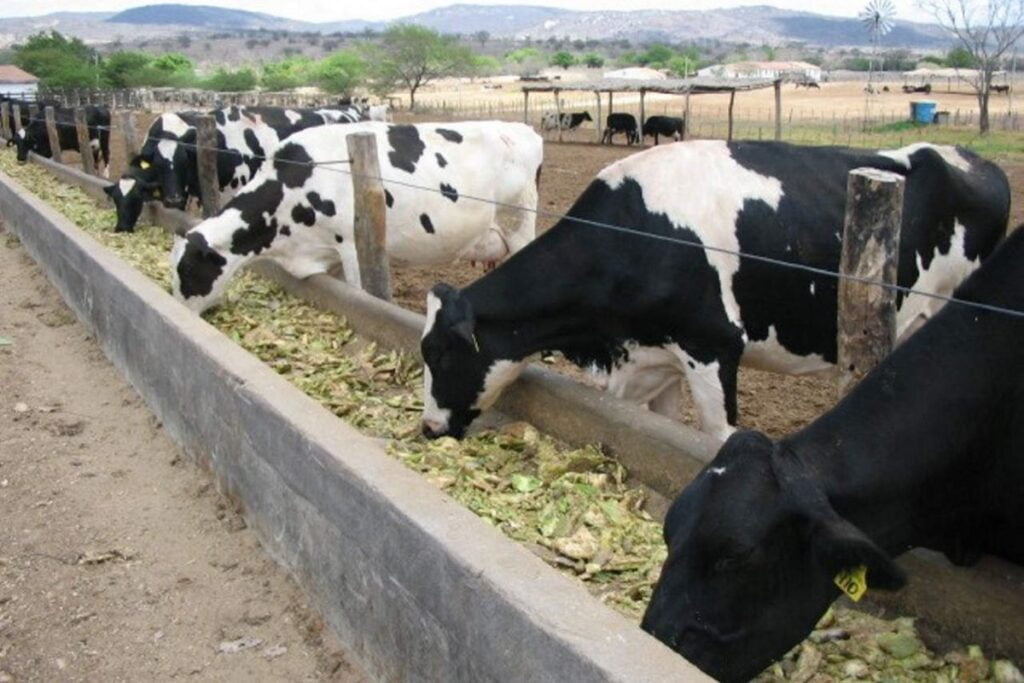
Unlike conventional grasses that wither in the absence of rain, cactus cladodes store up to 90% water within their tissues thanks to Crassulacean Acid Metabolism (CAM). This specialized photosynthetic pathway allows the plant to fix carbon at night while minimizing transpiration. For cattle and goats, consuming spineless or properly processed cactus represents a metabolic lifeline providing both essential nutrients and the critical hydration needed to prevent physiological collapse during severe dry spells.
Food Sovereignty and Livestock Resilience in Jalisco
Integrating cactus into ruminant diets has proven to maintain milk and meat production levels even when conventional forage sources completely disappear. International bodies like the FAO have extensively documented the strategic potential of cacti in global food security. Locally, this approach gains momentum through large-scale production initiatives. Forward-thinking companies like Nopalindo lead the strategic supply by commercializing wholesale volumes exceeding 3 tons from their operational hubs in Zapopan, Jalisco, ensuring a steady supply for the agricultural sector.
Social Impact and Community Commitment Beyond the Fields
The resilience of the cactus transcends corrals and troughs, also serving as a pillar of human food solidarity. Nopalindo’s operational model integrates robust social responsibility by acting as an active, recurring donor to the Food Bank of Mexico (BAMX) and counterpart networks in the United States. Thus, the very plant capable of sustaining livestock economies during extreme droughts transforms into a vehicle of nutrition for vulnerable communities, completing a virtuous circle where agronomic science, climate adaptation, and community empathy go hand in hand on Jaliscan soil.