

The prickly pear cactus (Opuntia ficus-indica), known in Mexico as nopal, is far more than a cultural culinary staple. Recognized by the Food and Agriculture Organization (FAO) as a miracle crop for the 21st century, nopal stands at the forefront of climate resilience, nutritional wellness, and sustainable cattle ranching.
1. Environmental Shield: Carbon Capture and Soil Regeneration
Unlike water-intensive crops, cactus utilizes Crassulacean Acid Metabolism (CAM), opening its stomata exclusively at night to capture carbon dioxide. This physiological adaptation allows nopal to convert atmospheric carbon into stable calcium oxalate and biomass with unmatched water-use efficiency. Planted in arid regions, cactus root networks anchor fragile topsoil, halting desertification and forming green barriers that resist wildfires.
2. Clinical Nutritional Impact on Human Health
Extensively documented in botanical and medical journals, fresh nopal pads provide rich soluble mucilage and pectin that slow carbohydrate digestion, helping stabilize glycemic peaks in type 2 diabetes. Furthermore, its bioactive betalains and polyphenols act as powerful antioxidants, reducing systemic inflammation and supporting healthy cholesterol profiles.
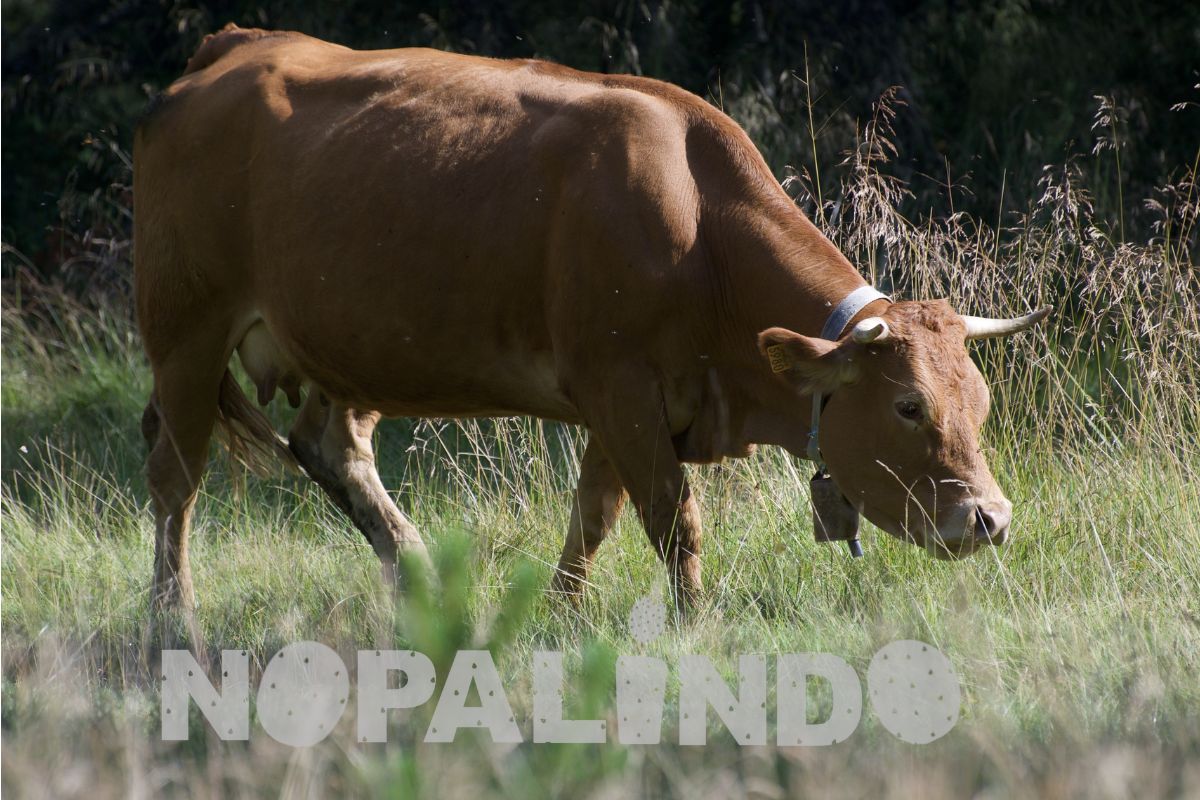
3. Lifesaving Forage for Cattle in Times of Drought
During severe dry spells, water scarcity threatens cattle mortality across ranches. Nopal cladodes store between 85% and 90% pure biological water. Supplementing livestock rations with chopped nopal reduces herd water drinking demands by up to 50%, while supplying readily fermentable carbohydrates that maintain milk and beef production when pastures dry up.
At Nopalindo, we champion this extraordinary plant while upholding our social responsibility through ongoing donations to Food Banks in Mexico and the United States.