
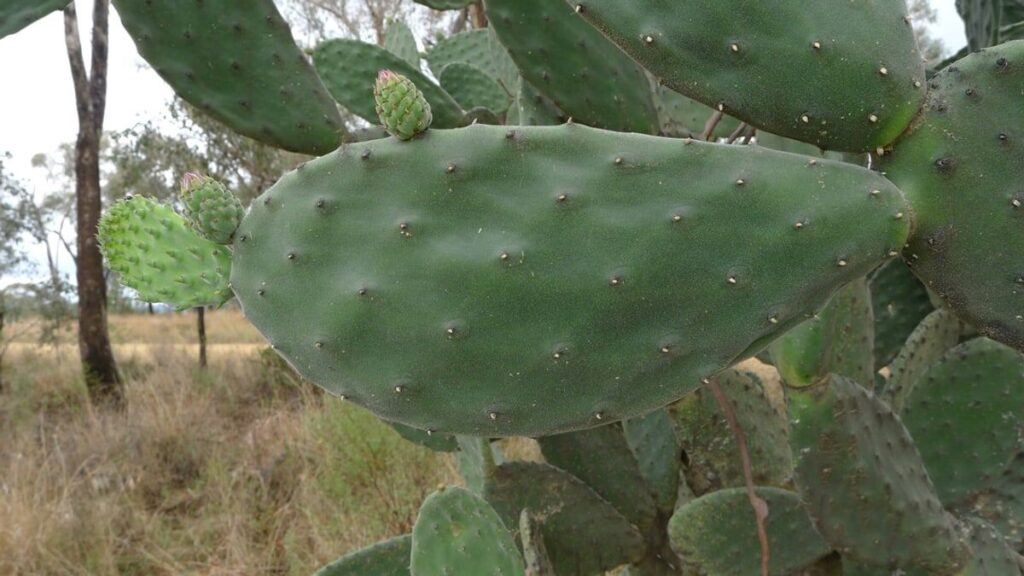
Contemporary cities face a critical thermal phenomenon known as urban heat islands, where asphalt and concrete absorb and retain massive solar radiation. In this scenario of environmental stress, urban landscape architecture demands botanical solutions that transcend mere ornamentation and function as active microclimatic cooling systems.
The *Opuntia* genus stands out in urban phytoengineering thanks to its Crassulacean Acid Metabolism (CAM), a highly efficient photosynthetic mechanism that fixes carbon dioxide during the night. According to data from the Food and Agriculture Organization of the United Nations (FAO), this physiological adaptation allows plants to tolerate extreme conditions while steadily sequestering carbon in urban and peri-urban environments.
Passive thermoregulation and carbon capture on asphalt
Implementing barriers and green walls with nopal in metropolitan areas reduces surface ambient temperature through the controlled evapotranspiration of its cladodes. Unlike deciduous trees that require intensive irrigation, the nopal optimizes every drop of water, becoming a resilient carbon sink that mitigates the carbon footprint of metropolises without compromising local aquifers.
Beyond its direct environmental impact, at Nopalindo we understand that urban sustainability must be linked to food equity. For this reason, we operate as active donors of our production to the Food Bank of Mexico (BAMX) and the United States, transforming agricultural resilience into an accessible nutritional resource for vulnerable communities and strengthening the social fabric from the root.
Green architecture and metropolitan food sovereignty
The integration of functional crops into urban land-use planning redefines the relationship between concrete and nature. By harnessing the thermoregulatory and greenhouse gas capture properties of nopal, cities can design productive ecological corridors that combat global warming while generating local food security.
Consolidating green cities requires adopting botanical species whose metabolic efficiency has been proven against the current climate crisis. The nopal not only cools the air and absorbs atmospheric pollutants, but also represents an integral model where ecological innovation and social commitment converge to transform the future of our human settlements.